WE ARE FOR CHEFS
Why handmade stoneware matters for your plating
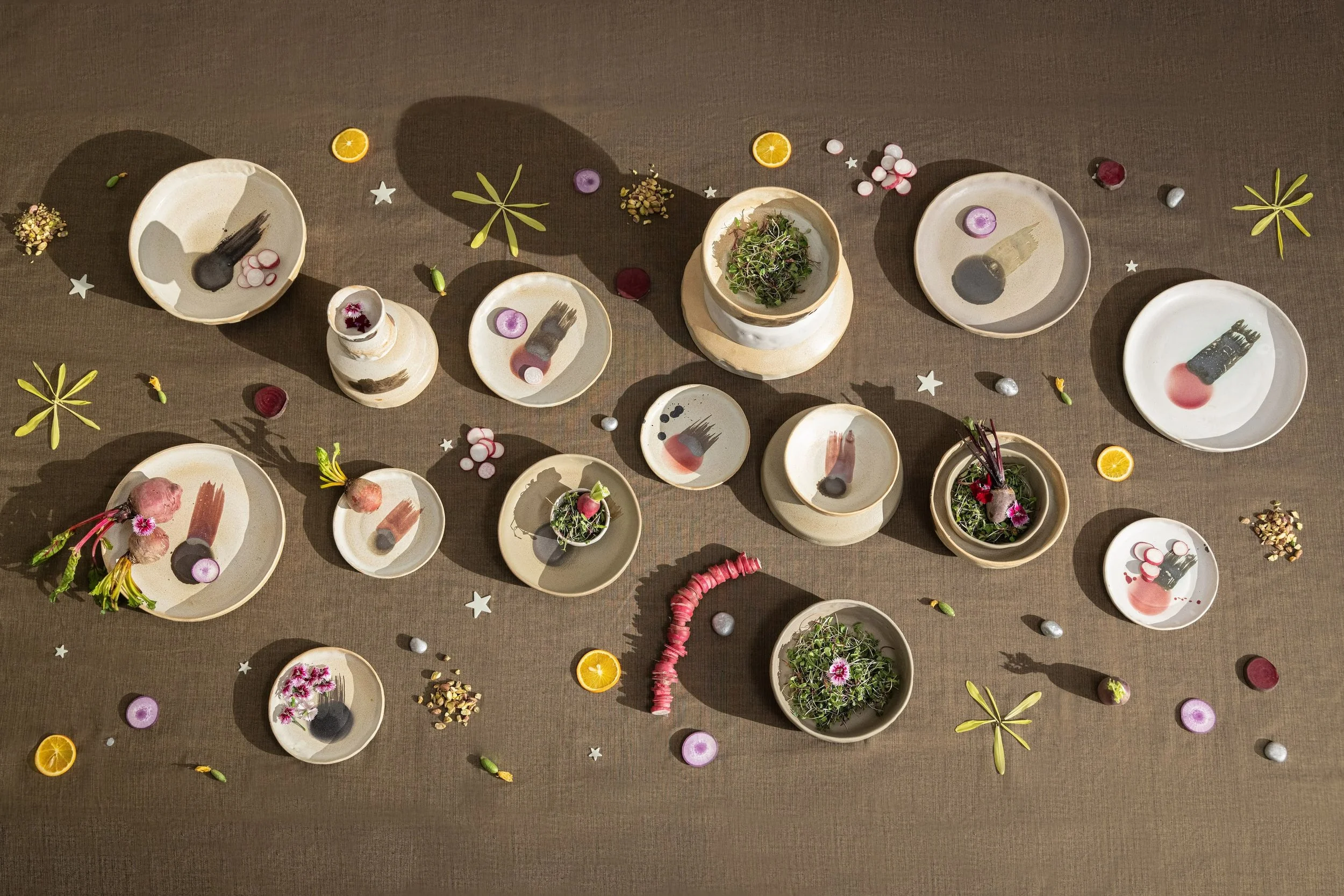
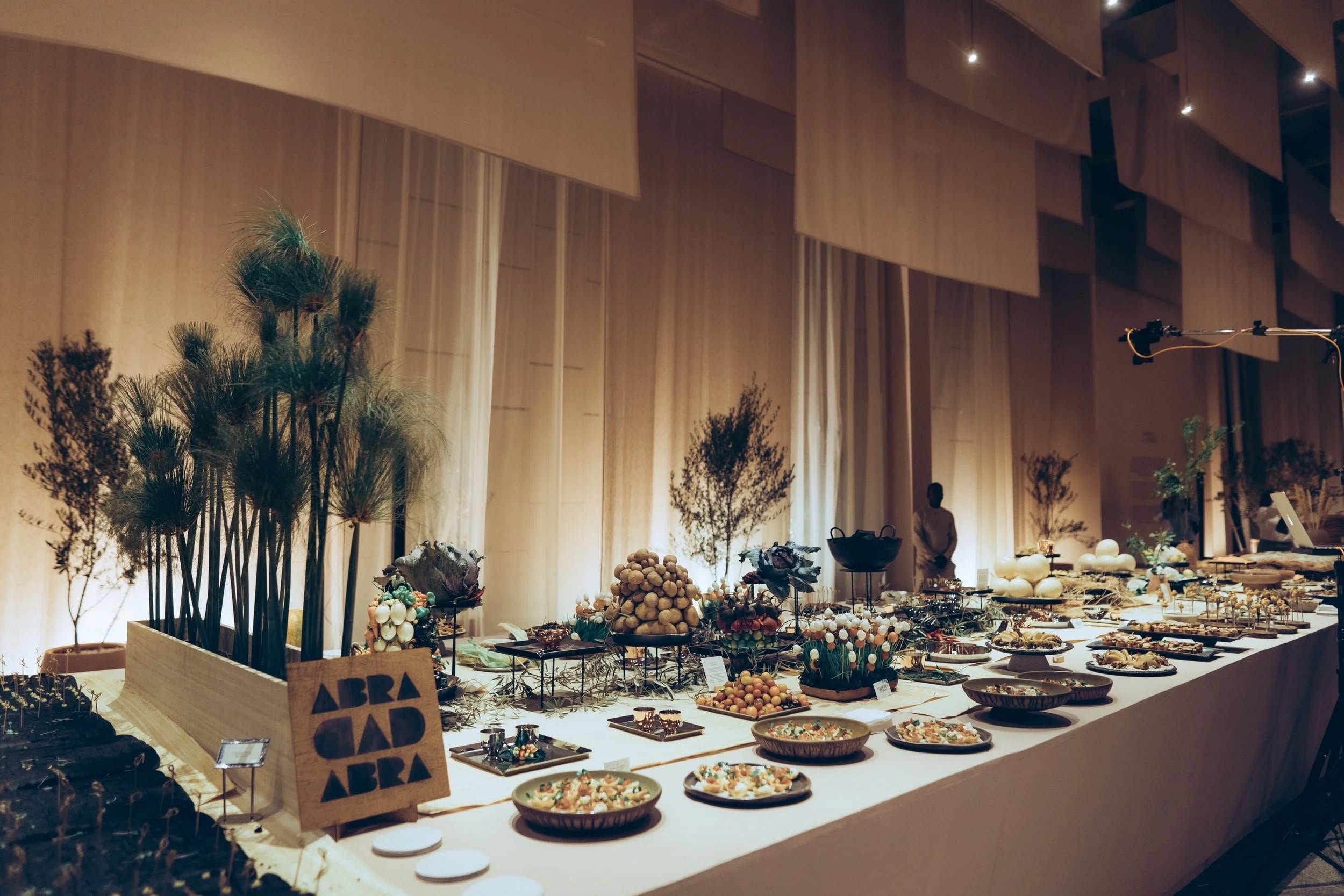
Every piece varies slightly in glaze, texture, and form. This means each dish you plate looks different from the last service, from the previous night, from what another table sees. For chefs focused on presentation and food as art, this creates a constantly evolving canvas.
What you get:
No two pieces are identical due to the handmade process
Organic edges and surfaces that complement rather than compete with your plating
Variations in glaze create natural color transitions that enhance food photography
Pieces withstand the full kitchen cycle: oven, dishwasher, freezer
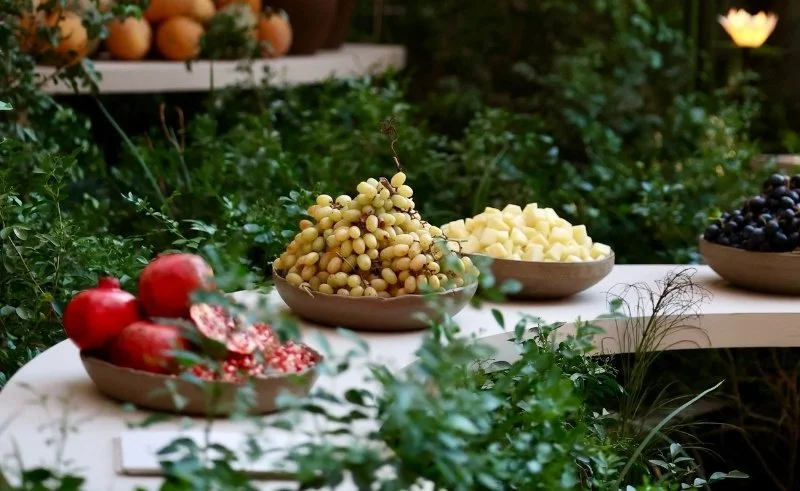
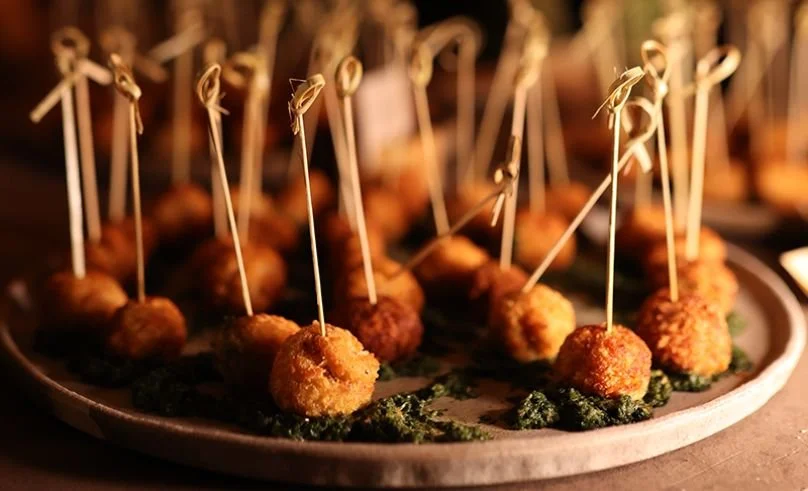
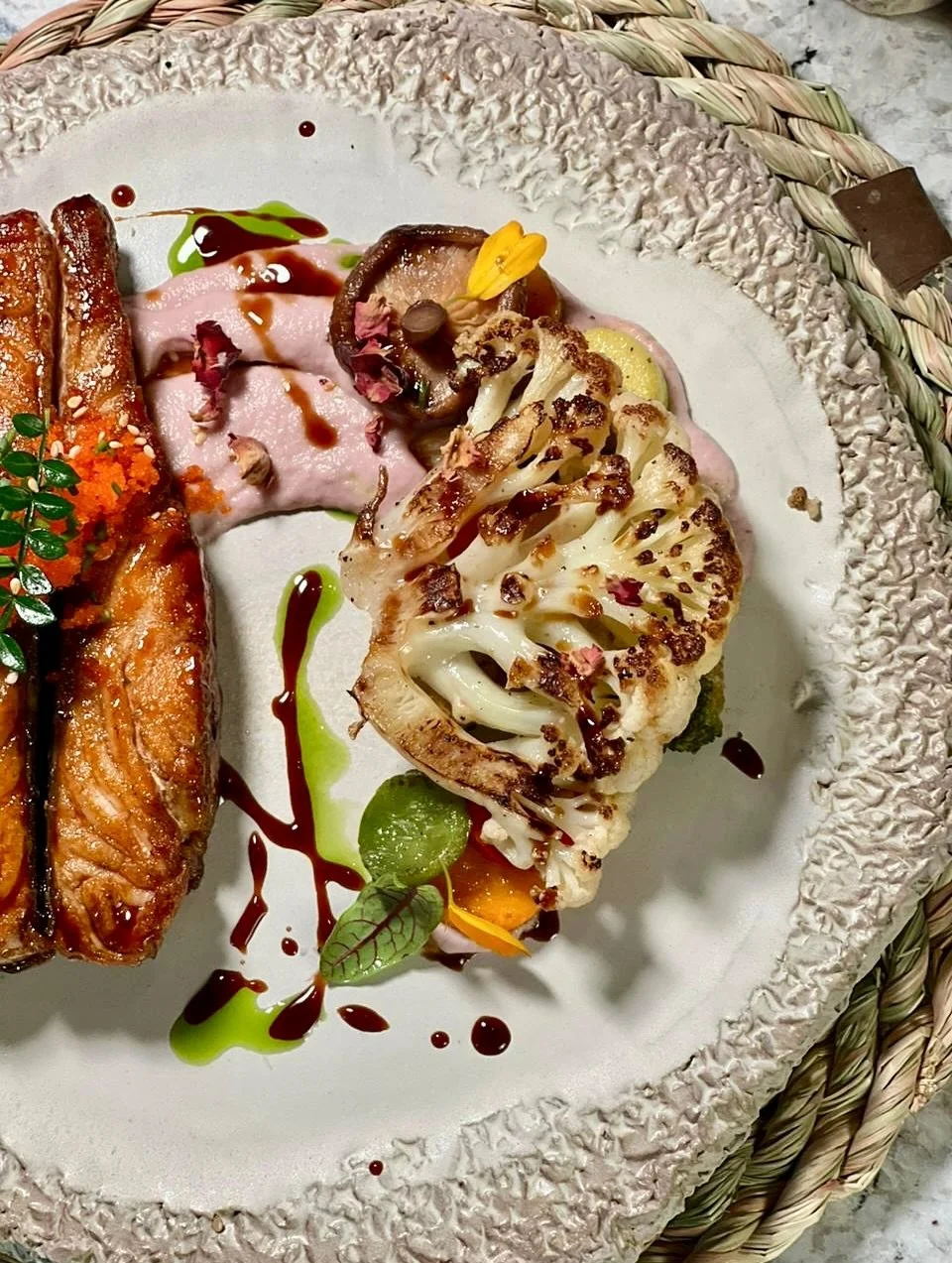
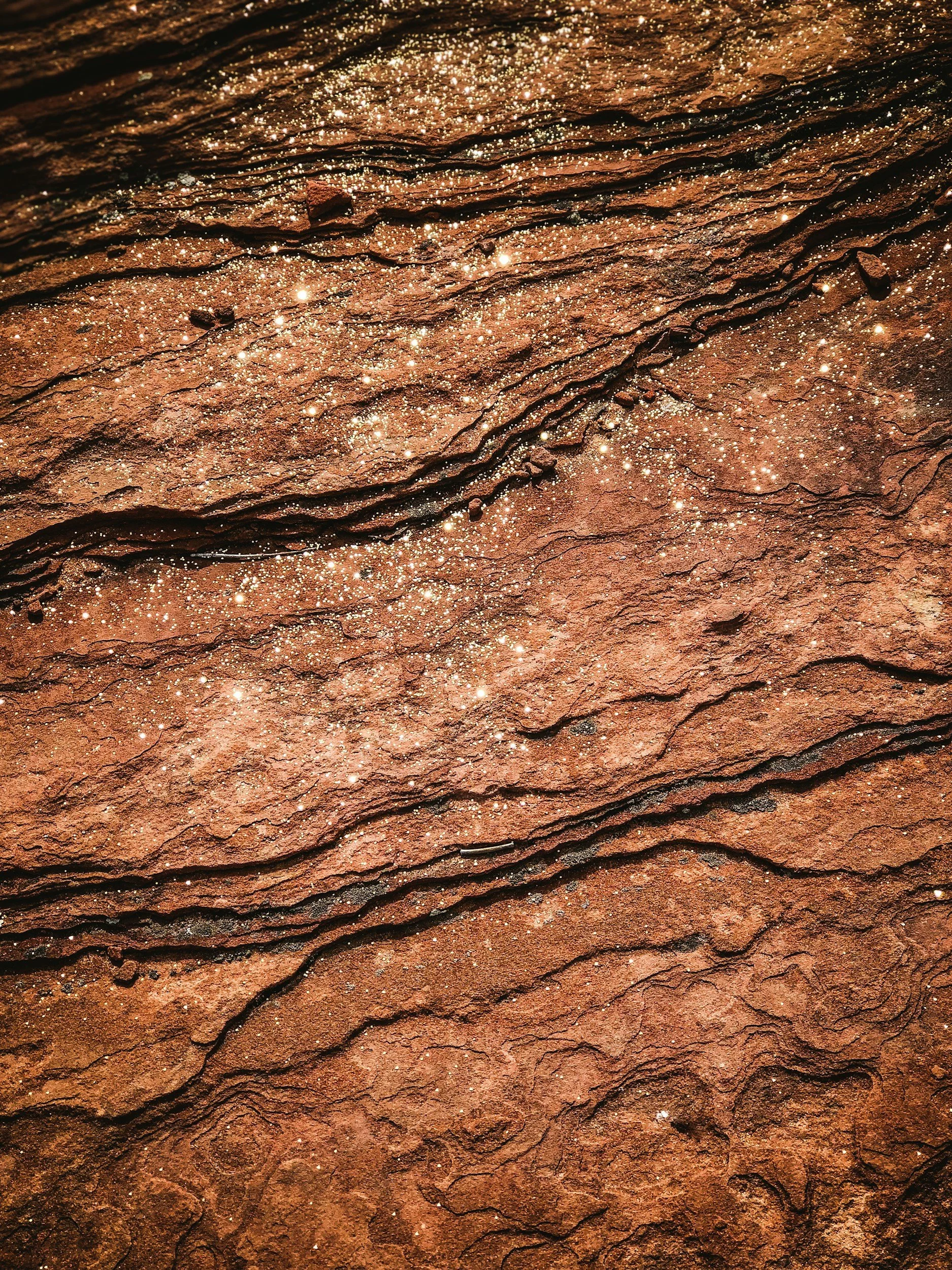
The clay: Aswani clay from Upper Egypt, fired to stoneware temperatures. Dense enough to retain heat, textured enough to feel substantial.

Collections relevant to fine dining:
Seaside Collection: irregular edges mimic Red Sea rock formations
Comet Collection: hand-painted celestial motifs, works well for coursed menus
Moon Collection: crescent forms, varied glazes reflect lunar phases
Food safety: Certified food-safe glazes and firing processes.